
TEXTILE SHREDDER
The latest type of waste textile shredder machine boasts high speed, high efficiency, high output, and low investment cost, revolutionizing the waste fabric shredder industry.
TEXTILE SHREDDER FOR SALE
The textile shredder machine can efficiently shred waste textile, old clothes, rags, and fabric into uniform pieces around 1 cm to 10 cm, making textile waste recycling easier and more efficient.
Textile shredder, also known as a cloth shredder and fabric shredder. It is mainly used to directly shred soft textile materials such as waste fabrics, textile waste, jeans, bed sheets, duvet covers, and non-woven fabrics into small fragments of 1 cm- 10 cm (the screen size can adjust the shredding size). They are widely used in waste textile and clothing recycling production lines and RDF fuel production lines. The equipment adopts a flying knife rotor new technology design, heavy-duty structure design, stable operation, high output, low failure rate, and can meet the requirements of long-term continuous operation.
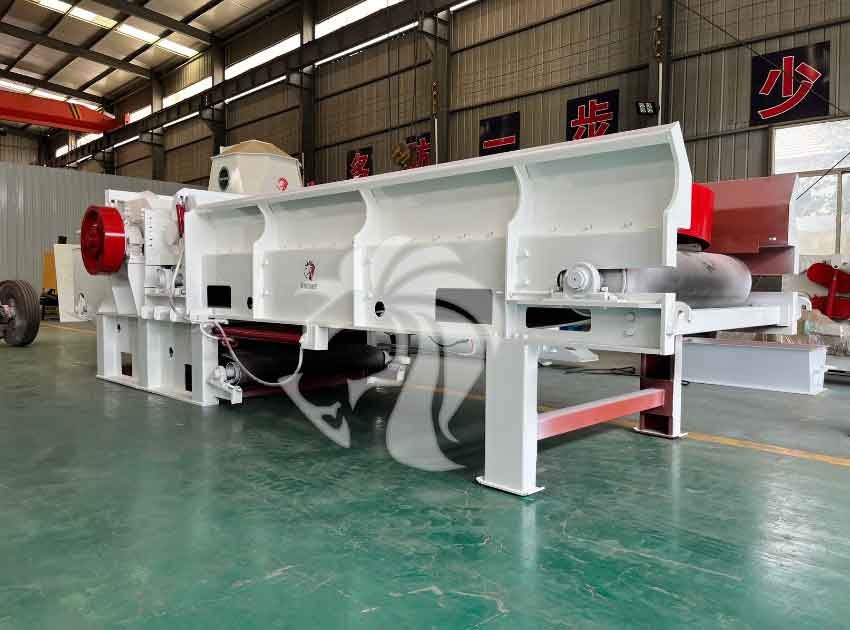
TEXTILE SHREDDER MACHINE TYPES AND MODELS
We specialize in manufacturing industrial textile shredders, and you can choose the model based on your raw materials, capacity needed, and production processes. Whether you are building a large-scale waste textile recycling production line or a medium-sized RDF fuel pellet or briquette processing plant, we can provide you with suitable solutions to help you achieve efficient and stable operation.
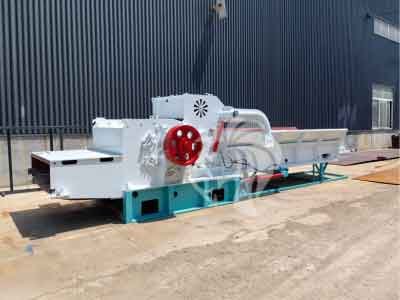
KXPTC700 Textile Shredding Machine
Main motor: 75KW Capacity: 800-1500kgs/h Application: Suitable for small and medium-sized waste textile recycling plants; it can process waste clothes, jean offcuts, and bed sheets, meeting the needs of small and medium-sized production.
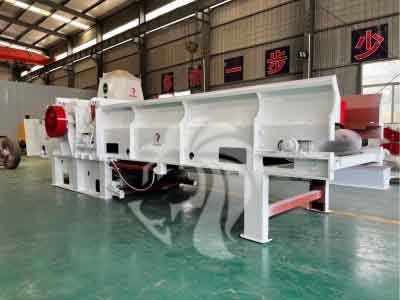
KXPTC1000 Cloth Shredder Machine
Main motor: 110KW/132KW/160KW Capacity: 1000-3000kgs/h Application: Suitable for medium-sized waste fabric recycling production lines, with strong continuous operation capability; it can process a variety of materials such as denim, non-woven fabric, and textile scraps.
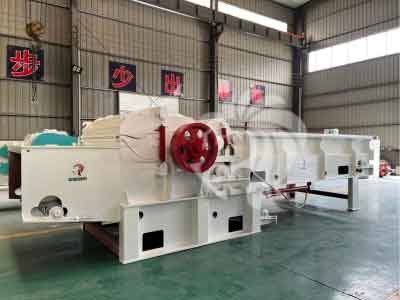
KXPTC1300 Fabric Shredder
Main motor: 160KW/200KW Capacity: 2000-5000 kg/hour Suitable for large-scale waste fabric recycling centers and RDF production lines, featuring high output and stable operation, meeting the needs of large-scale continuous production 24 hours
TECHNICAL PARAMETERS
| MACHINE MODEL | KXPTG600 | KXPTG1000 | KXPTG1300 |
|---|---|---|---|
| Main motor | 75KW | 110KW/132KW/160KW | 160KW/200KW |
| Capacity | 800-1500kgs/h | 1000-3000kgs/h | 2000-5,000kgs/h |
| Machine Weight | 8 Ton | 10 Ton | 12 Ton |
| Pump | 3KW | ||
| Final size | 10-100mm choosable | ||
TEXTILE GRINDING MACHINE RUNNING VIDEOS
The video showcases a KXPTC700 waste textile shredder, demonstrating the process of processing whole garments. This machine employs a 3-group, 6-blade design and is equipped with a 30mm screen, producing shredded fabric with a size within 1-2 cm. The shredded waste fabric can be used to produce RDF briquettes or RDF pellets. The equipment is simple to operate, runs smoothly, and has a low failure rate, enabling continuous and stable production in large-scale waste textile recyling plants. The shredded material has a uniform particle size and can be directly fed into subsequent machines, such as waste textile briquetting machines or RDF pellet machine, providing a foundation for the resource utilization of waste textiles and cloths.
WHAT RAW MATERIALS CAN TEXTILE SHREDDER PROCESS?
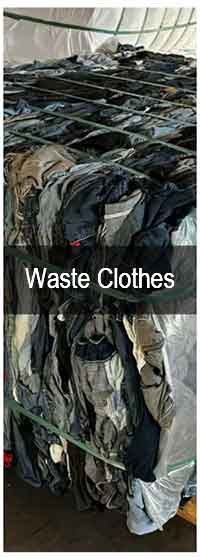
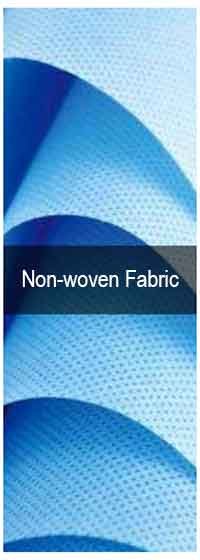

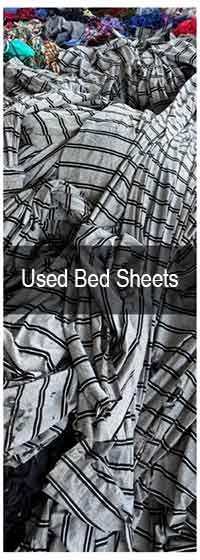
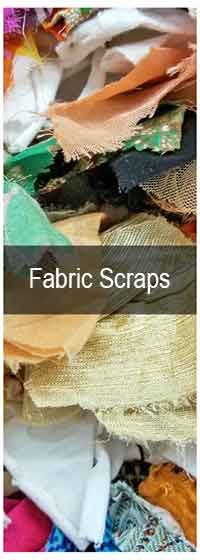
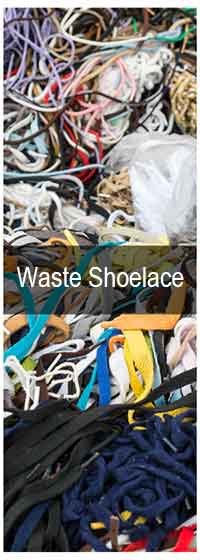
This fabric shredder is suitable for various waste textiles and soft waste, and can process raw materials such as old clothes, waste fabrics, textile scraps, waste sheets, duvet covers, jeans, and non-woven fabrics.
The machine has a very wide range of applications. Through years of research and improvement, in addition to shredding the above-mentioned clothing and textiles, it can also be used for shredding fishing nets, mineral water plastic bottles, waste paper, animal leather, wool, various plastics and films, etc. Compared with traditional dual-shaft shredders, this machine has a much higher shredding efficiency, which also greatly reduces operating costs.
TEXTILE SHREDDER STRUCTURE AND ADVANTAGES
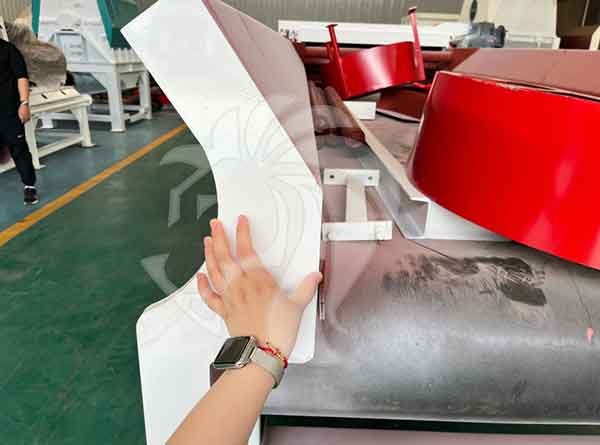
Integrated Feeding System Design
- The textile shredder is equipped with a feeding system, and it uses an integrated, thickened vulcanized conveyor belt, which is high in strength and wear-resistant, making it suitable for direct feeding by grabbers and reducing manual feeding.
- The conveying process is smooth and continuous, not prone to slippage or deviation, and can meet the requirements of long-term continuous production, making it suitable for large-scale waste fabric recycling production lines.
Customized Blades Design for Soft Fabric
- Designed to handle soft fibrous materials such as waste cloth and clothing, the equipment employs a shearing roller structure, which can quickly shred the soft material into uniform fragments.
- Compared to traditional low-speed dual-shaft shredders, this new design boasts higher rotation speeds and greater processing efficiency, meeting the demands for high-capacity processing of waste textiles.
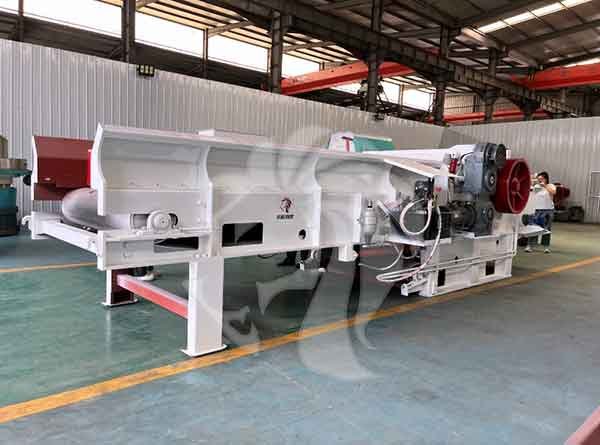
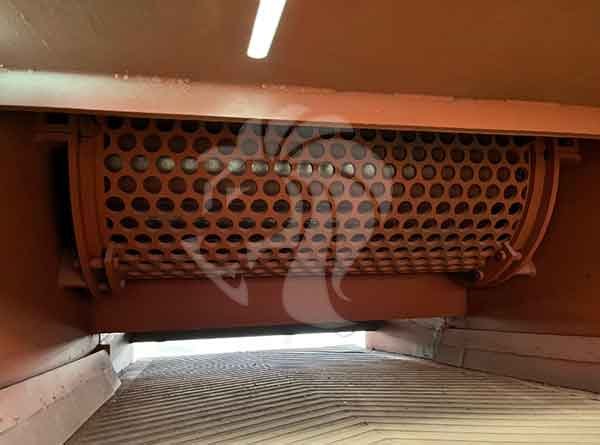
Textile Shredder with Adjustable Final Size
- The bottom screen of the fabric shredder is replaceable, and the crushed size can be flexibly adjusted according to subsequent process requirements to meet different production needs.
- The shredded cloth material has a more uniform particle size and can be directly used in RDF granulation, briquetting, and other processing stages, improving the applicability and production efficiency of the entire production line.
Lower Maintenance Cost
- The equipment uses wear-resistant blades, which can be re-sharpened and reused after wear, extending blade life and reducing replacement frequency.
- The blades are easy to install and remove, and daily maintenance is simple, effectively reducing maintenance costs and downtime, making it suitable for continuous production.
TEXTILE & CLOTH SHREDDER WORKING PRINCIPLE
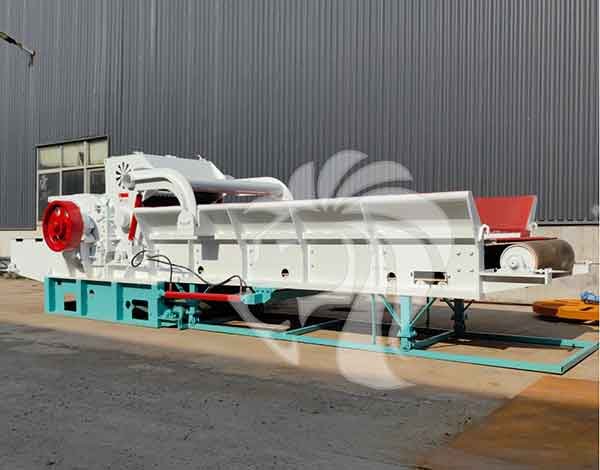
This is a state-of-the-art waste clothing shredder. Unlike traditional twin-shaft shredders, the main unit uses a drum rotor structure. The shredding chamber contains fixed blades and flying blades. The rotor carries the flying blades at high speed, creating a powerful shearing force with the fixed blades. Waste clothing, waste fabric, and other raw materials are placed on the conveyor belt by a grabber and fed horizontally into the shredding chamber by the feed rollers at the inlet. Under the shearing action of the high-speed shearing blades, the material is sheared to a set size, screened by the bottom screen, and falls onto the discharge conveyor belt, completing the entire shredding process.
The machine uses a high-quality ring-shaped nylon conveyor belt for feeding, with intelligent feeding control to prevent jamming and production delays due to overfeeding. For easy maintenance and blade replacement, the main unit is designed as a split type. The feed chute and rotor can be quickly separated and joined by a hydraulic system, which is convenient and fast, greatly improving work efficiency. It is the ideal choice for the waste fabric processing industry.
FABRIC SHREDDER STRUCTURE DRAWING
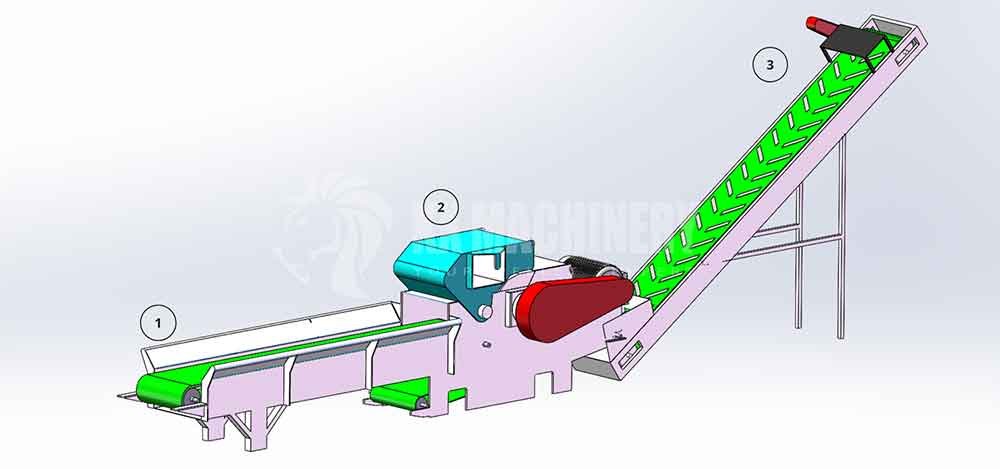
Feeding Framework
Waste textiles and fabrics are fed into a heavy-duty feeder by grabs or workers. The feeder automatically controls the feeding status based on the operating status of the main shredding machine, which prevents the main machine from getting stuck or jammed due to excessive continuous feeding. This improves the average output and protects the machine motors.
Fabric Shredder Machine
The fabric grinder main unit consists of a feeding roller, a main shredding roller, flying knives, fixed knives and a base, a screen, a main motor and an automatic control system. The feeding roller, the feeding conveyor and the main motor are linked and controlled by the automatic control system to ensure that the shredder’s operating current does not exceed the standard while keeping the shredder in a high-efficiency working state.
Discharge Conveyor
The shredded textile drops onto the primary discharge conveyor belt, and then is conveyed to the secondary discharge conveyor belt, achieving continuous connection with subsequent equipment. The entire machine adopts a ground-mounted layout, eliminating the need for pit installation, which reduces foundation construction costs, and also makes installation and subsequent maintenance more convenient.
WHAT MAKES OUR WASTE CLOTH SHREDDER SO EXCELLENT?
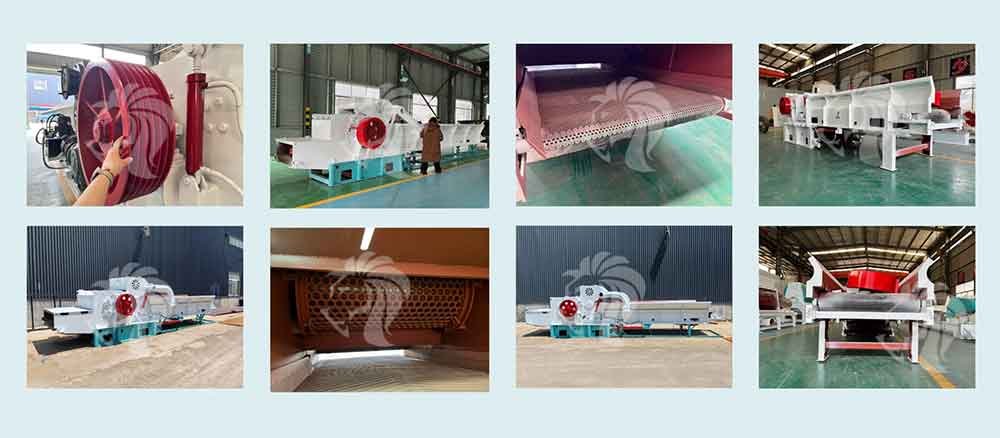
When choosing a textile waste recycling plant machine, you need to consider not only its shredding capacity but also the operating efficiency and maintenance costs of the production line. KX textile shredders are optimized for waste textile recycling processes, ensuring stability, durability, and ease of operation at every stage from feeding and shredding to discharge, meeting the needs of waste fabric recycling and RDF fuel production projects of varying scales.
NEW HORIZONTAL TEXTILE SHREDDER VS TRADITIONAL DUAL SHAFT SHREDDER
Twin-shaft shredders are better suited for crushing raw materials with a certain degree of hardness. However, when shredding these more resilient textiles, several problems arise: they produce long, thin strips that easily become entangled in the cutter rollers, causing blockages. Furthermore, to prevent blockages, twin-shaft shredders generally do not have screens, making it difficult to maintain uniform material size. The low rotational speed of twin-shaft shredders also results in low output and efficiency, making the investment cost for achieving high output prohibitively high.
In contrast, newer horizontal waste textile shredders use a drum rotor structure and high-speed shearing rollers to directly process soft materials such as waste clothing, rags, and non-woven fabrics into uniform fragments of approximately 1-3 cm in a single pass. The output size can be adjusted via a screen and can be directly fed into downstream equipment such as briquetting machines and RDF pelletizers. For projects with limited budgets but seeking efficient shredding and simplified processes, the investment in a waste textile shredder is typically only one-third to one-half that of a twin-shaft shredder, significantly lowering the entry barrier.
It is important to note that the maintenance methods for these two types of equipment differ. The low speed of a twin-shaft shredder results in slower blade wear. However, the blades of a new type of waste cloth shredder, due to their high speed, high friction, and efficient shearing structure, wear out faster, typically requiring resharpening after 1-2 shifts of continuous operation. However, cost reduction can be achieved through blade resharpening, allowing for reuse. Our hydraulic split design also simplifies replacement and maintenance, reducing downtime and meeting the demands of continuous production.
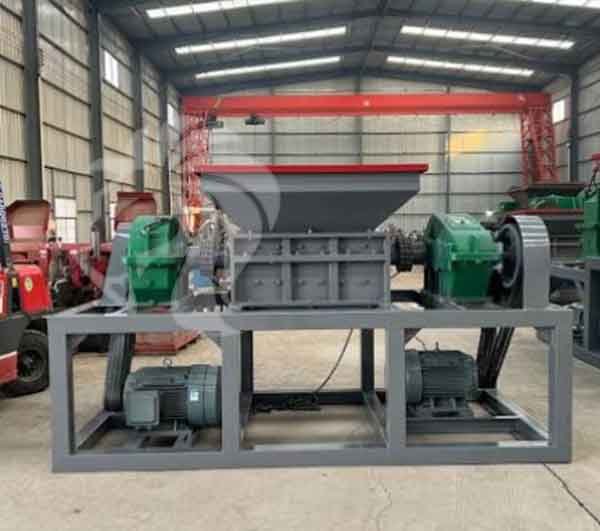
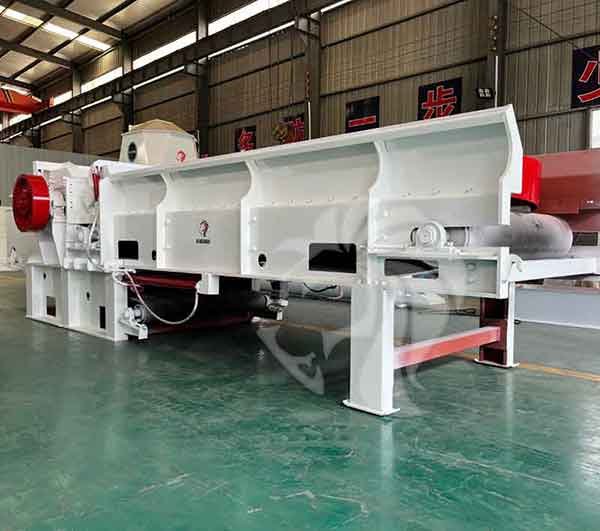
Dual Shaft Shredder VS Waste Clothes Grinder
| Item | Double Shaft Shredder | Waste Fabric Grinder |
|---|---|---|
| Working Principle | low speed | high speed |
| Production Efficiency | The machine efficiency is lower | Higher rotation speeds result in higher efficiency |
| Sieve Design | No inner screener, and the output size is not easy to adjust. | Equipped with changeable screeners, and you could adjust the output size accordingly. |
| Output Size | The size is uncontrollable, usually quite large, and prone to producing long, strip-shaped materials. | The output size is uniform, and the size can be adjusted by changing the inner screener, with a minimum controllable size of approximately 1-10 cm. |
| Continuous Production | Suitable for coarse crushing | Suitable for continuous and large scale waste fabric crushing production |
KX MACHINERY HAS PROFESSIONAL R&D CAPABILITIES FOR WASTE TEXTILE GRINDER

KX Machinery boasts a professional R&D team that can optimize the design of textile crusher structure, blades rollers, blades, and overall line configuration based on different raw material characteristics and production needs, providing customers with solutions that better suit actual working conditions. From single machines to complete production lines, all can be customized according to output, output size, and process requirements.
FREQUENTLY ASKED QUESTIONS
Can the machine process whole garments directly?
Yes. The waste fabric shredder is designed to process whole garments without pre-cutting. It can handle waste clothes, jeans, bed sheets, quilts, nonwoven fabrics, leather offcuts, shoelaces, and other soft textile materials directly.
Can it process baled clothes?
No. Baled clothes need to be unpacked before being fed into the machine. After the materials are loosened, they can be fed continuously by conveyor or grab crane for stable operation.
What is the fabric shredder machine price?
The price of a fabric shredder machine ranges from US$25,000 to US$60,000, which depends on the different capacities, configurations, and project requirements. Contact us with your raw material information and production needs for a customized quotation.
What material are the blades made of?
The blades are manufactured from high wear-resistant alloy steel and are produced in our own factory. They can be resharpened multiple times after wear, helping to reduce maintenance costs and extend service life.
How can I purchase the textile waste shredder?
Send us your raw material photos, the capacity you need, and output size, and we will provide the suitable solution. If you have a freight forwarder or agent in China, you could let them pick up the machine from our factory, and we could help to load. If not, we can arrange delivery to your destination port, and we will provide the full set custom clearance documents to you after shipment.
Which industries is this textile shredder suitable for?
The waste clothes crusher is suitable for crushing clothes for textile waste recycling plants, RDF fuel production lines, waste cloth baling projects, and other solid waste recycling applications. It is suitable for processing a wide range of soft textile materials before baling, pelletizing, or energy recovery.
GET INFORMATION NOW
Looking for a reliable fabric shredder manufacturer? JK Machinery has over 20 years of experience in designing and manufacturing RDF recycling equipment. Tell us your raw material, required capacity, and final output size, and our engineers will recommend the most suitable solution for your project.
- The best design & quality machines
- Quick reply within 2 hours
- Provide the best proposal within 72 hours.
- Free test run service for your raw materials
