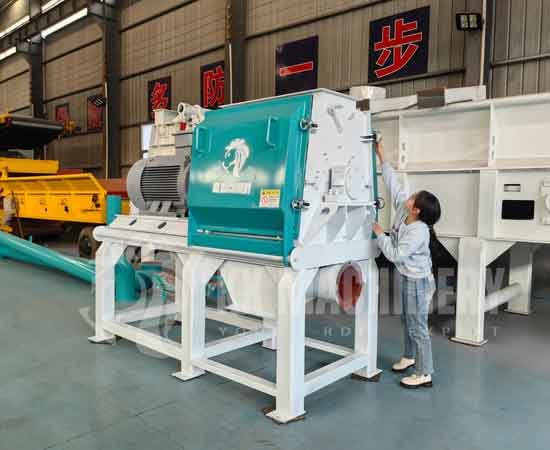
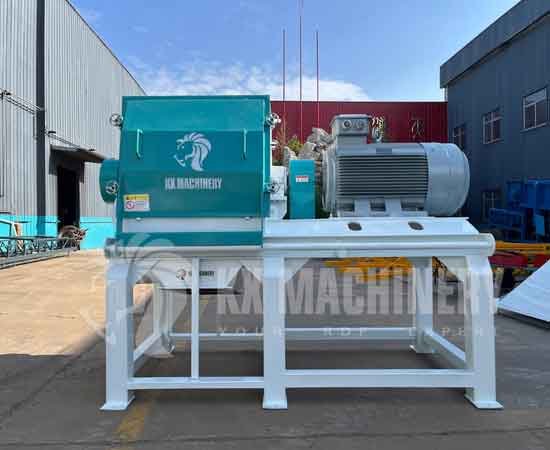
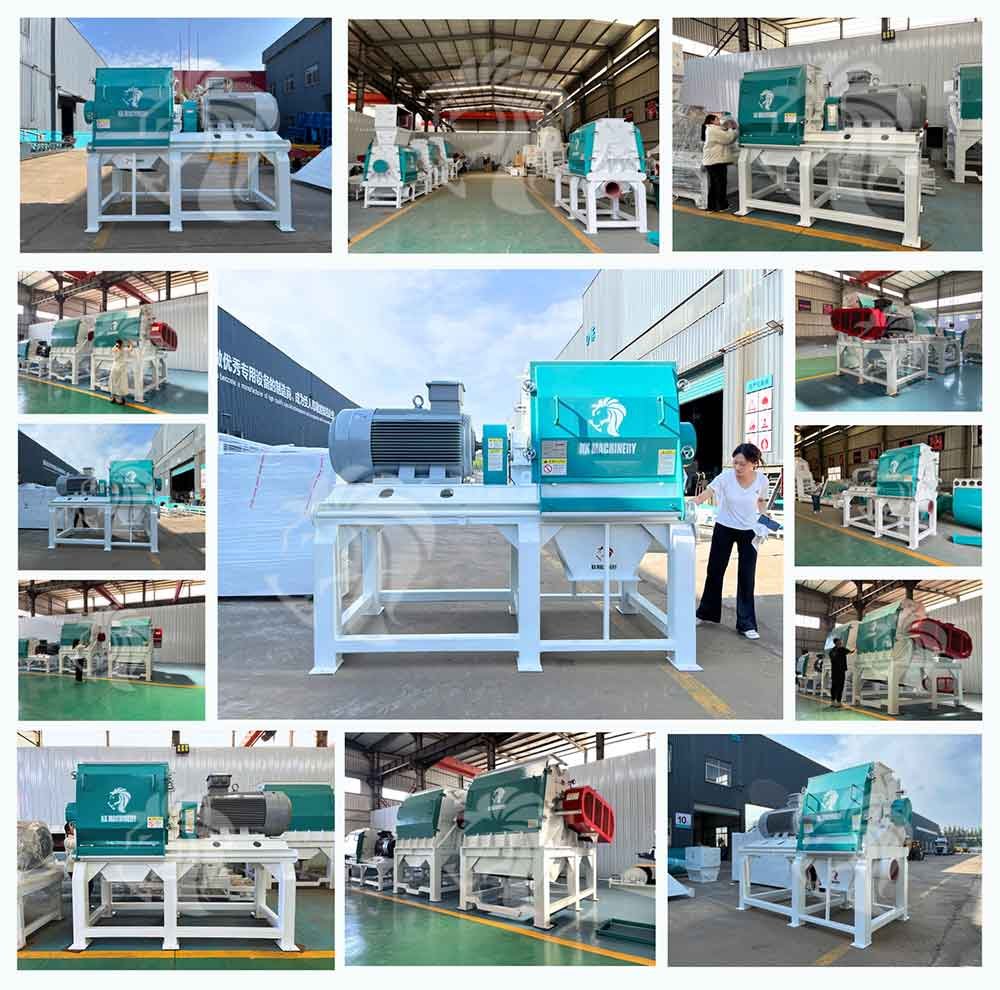
BIOMASS HAMMER MILL
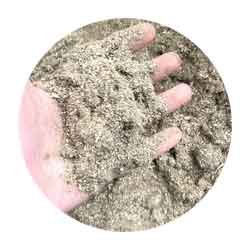
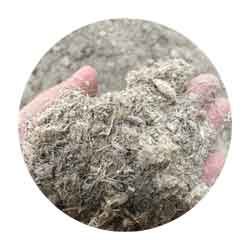
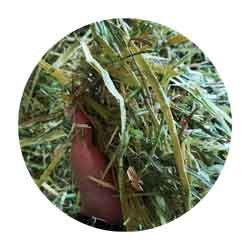
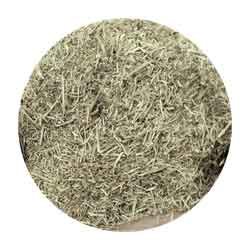
Innovative biomass hammer mill features a dual-outlet design, increasing production capacity by 30%, preventing blockages, and reducing power consumption. It is suitable for various raw materials such as straw and branches, turning waste into treasure.
BIOMASS HAMMER MILL FOR SALE
Hammer mill for biomass are commonly used biomass raw material pretreatment equipment in biomass pellet and briquetting production lines.
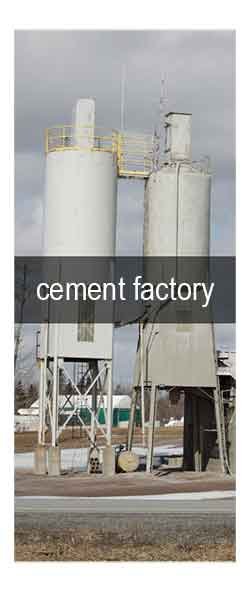
The biomass hammer mill, also known as the biomass crusher, reduces biomass and agricultural waste to a fine size (usually within 10 mm). The biomass hammer mill mainly consists of the feeding system, the hammer milling machine main part, the discharge system, and the dust collection system. It’s widely used in biomass pellet production lines, cement factories, power plants, wood processing, and agricultural waste recycling. Depending on the type of raw material, output size, and capacity, it can be available in various models to meet different scales and production needs. In most cases, a hammer mill for biomass is designed for crushing biomass raw materials to meet the requirements of pelleting or briquetting.

BIOMASS HAMMER MILLS TYPES AND SERIES

Small Hammer Mill
Small biomass hammer mill typically have a power output of less than 30 KW and a production capacity of less than 1,000 kilograms per hour. They are compact in structure, have low investment costs, and are designed and developed specifically for homeuse, small farms, various small factories, and some experimental projects.
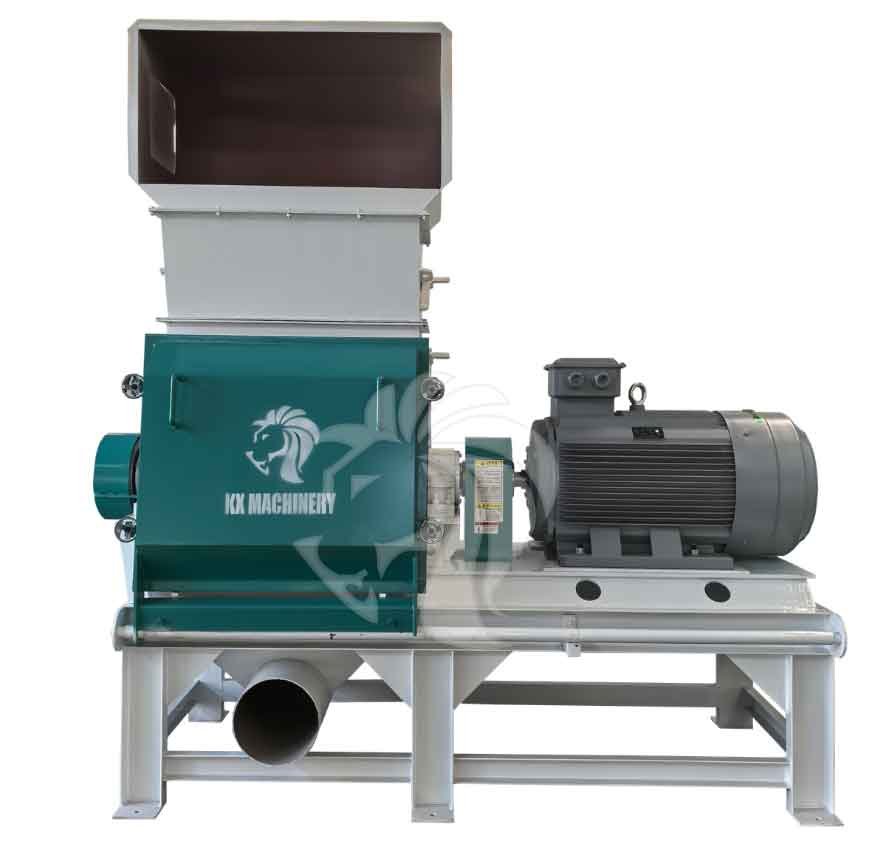
Straw Hammer Mill
Straw hammer mill are commonly used in straw pelleting or briquetting projects and are widely used in markets such as India and Africa. Straw has low density and high toughness, resulting in a very low bulk density after crushing. To accommodate these characteristics, the feeding system, hammers, screens, and suction system of the straw crusher need to be specially designed.

Wood Chips Hammer Mill
From wood chips to sawdust, this is a highly efficient and professional specialized machine designed specifically for wood chips of varying hardness and moisture content. The sawdust with 15 mm in size and are typically sold to power plants or cement plants as fuel. Please note that the machine's output is directly related to the original size of the wood chips; therefore, we need to confirm the size, thickness, and moisture content before moving forward.

Wood Pellet Hammer Mill
The industrial hammer mill is designed specifically for industrial projects involving large-scale biomass pellets or briquettes. This machine features a heavy-duty rotor design and belt drive. Various screen shapes can be designed to suit different raw materials, resulting in a lower failure rate, robust structure, and 24-hour continuous operation. It is suitable for various medium to large-scale biomass fuel pellet production projects.

Wood Hammer Mill
From wood logs to sawdust directly, the wood log hammer mill combines chipping and crushing functions and can crush wood logs within 20cm in diameter to fine sawdust with a 10 mm size. Compared with using a wood chipper and a hammer mill as two sets of machines, this machine can save space and also save labor costs. It with chipper and crushern roller both.

Agricultural Hammer Mill
Many crops are not initially crushed and are quite long. To improve material feeding, this crusher has been equipped with a forced feeding device, which can accommodate straw or large leaves (such as palm leaves) up to 2 meters in length. This solves the problem of material blockage caused by uneven feeding and is especially suitable for larger materials.
HOW DOES A HAMMER MILL WORK?
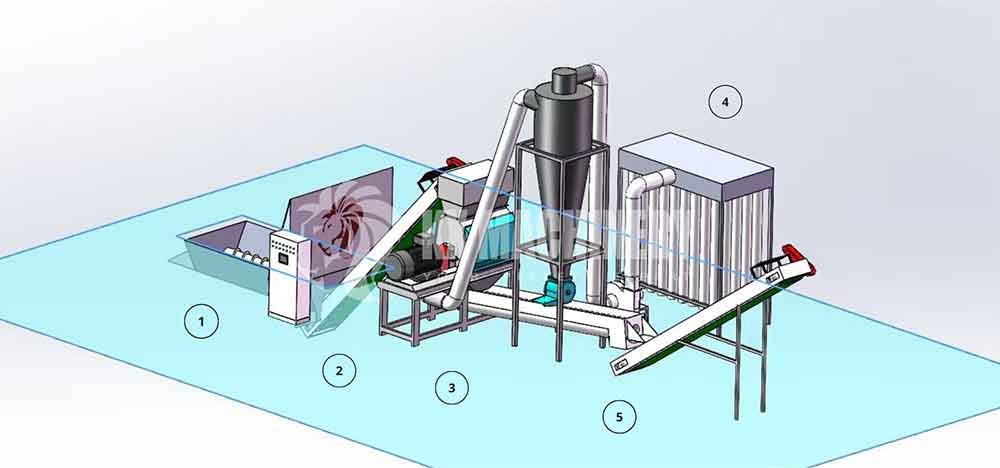
The working principle of hammer mill is to use a high-speed rotating rotor to drive the hammers to crush the fed raw materials to the size specified by the screen. The complete biomass hammer milling system consists of an underground automatic feeder, the feeding belt conveyor, a hammer mill main unit, the discharge system, a control panel, and the dust collection system. These components work together under the automatic control system to achieve a complete processing flow from raw material conveying and crushing to discharging finished crushed raw material.

① Underground Automatic Feeder
The underground automatic feeder is the first part of the hammer mill system, which is mainly used for feeding raw material continuously and evenly. Compared with manual feeding, the automatic feeder can maintain a stable feeding speed; you only need to arrange a loader to push the raw material to the feeder. It can help avoid biomass hammer mill blockage or low output caused by uneven feeding, improving the milling machine efficiency. The feeding speed can be adjusted automatically by the control system, as it is equipped with an automatic start and stop sensing system.
② Biomass Feed Conveyor
The feed belt conveyor is used for continuously feeding raw materials from the automatic feeder to the biomass hammer mill main part, providing a stable material supply for the equipment. By adjusting the conveyor speed, the feed rate of the hammer mill can be effectively controlled, reducing clogging. For some very loose and light raw materials, the conveyor needs to be equipped with uniform rollers.
③ Biomass Hammer Mill Main Part
The hammer mill is the core equipment of the entire biomass crushing system. The hammer mill works on the principle of high-speed punching and crushing the raw material. When the biomass materials are fed into the crushing chamber, the high-speed rotating rotor drives the wear-resistant blades to crush large-sized material like wood chips, straw, and other biomass waste into smaller dust-sized material. Once the material reaches the required size ( sieve hole decides), it is discharged through the inner sieve to the discharging conveyors.
④ Dust Collection System -3
During the milling process, fine dust is very easily generated. Therefore, industrial-grade biomass crushers should be equipped with dust removal systems, mainly consisting of a cyclone system and bag dust collection system. The combined use of cyclone dust collectors and bag filters improves dust removal efficiency, making the equipment more suitable for continuous, environmentally friendly biomass processing production lines.
⑤ Discharge System
The crushed material is conveyed to the next production stage via a cyclone separator or a screw conveyor. Depending on the characteristics of different raw materials, the unloading system can be composed of a combination of a cyclone separator and an auger, or it can use only a cyclone separator. Cyclones are mainly suitable for light-density materials, while augers are more suitable for heavy -density materials.
TECHNICAL PARAMETERS
| MODEL | MAIN MOTOR | RAW MATERIAL SIZE | FINAL DISCHARGE SIZE | DISCHARGE TYPE | SIEVE QUANTITY |
|---|---|---|---|---|---|
| SC420 | 7.5KW/11KW | within 30mm |
3-10mm choosable |
Cyclone and discharge conveyor | 1 |
| SC500 | 18.5KW/22KW | ||||
| SC600 | 30KW/37KW | ||||
| SC800 | 45KW/55KW | ||||
| CD6527 | 22KW | within 50mm | |||
| CD6555 | 55KW |
Cyclone, screw discharge conveyor or belt conveyor, choose based on raw material | 1 | ||
| CD6575 | 75KW/90KW | ||||
| CD65100 | 110KW | ||||
| CD65130 | 132KW | ||||
| HDHM1000 | 185KW | within 100mm |
8mm-16mm choosable | ||
| HDHM1200 | 200KW | ||||
| HDHM1600 | 220KW | ||||
| HDHM2000 | 250KW | ||||
| S2161000 | 55KW+90KW | Cyclone | 1 |
What raw materials are suitable for biomass hammer mill?
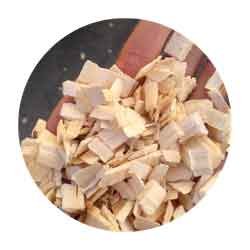
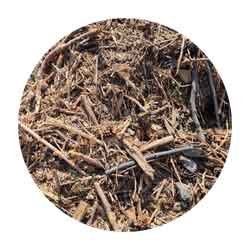
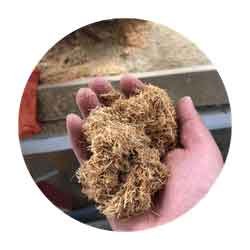
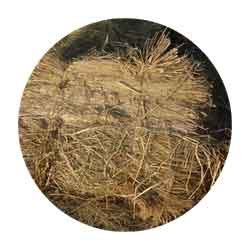
Biomass hammer mill is designed for a wide range of applications and can handle various raw materials, including hardwood chips, softwood chips, branches, logs, crop residues, straw, corn stalks, bagasse, and even fibrous biomass. Its versatility makes it ideal for numerous industries, including biomass pellet production, wood recycling, animal bedding preparation, and environmental energy projects.
WHAT IS THE HAMMER MILL USED FOR?


The biomass hammer mill is used for crushing and processing various agricultural, forestry, and some industrial wastes to achieve resource reuse. Specific applications can be categorized as follows:
🌱 Biomass Fuel Pellet or Briquette Production: Raw materials are crushed into uniform particles for the production of biomass briquettes or pellets, supplied to power plants and biomass end-use applications. Additionally, the crushed wood chips are a raw material for machine-made charcoal.
♻️ Agricultural and Forestry Applications: Processes various straws and forage grasses from corn, wheat, rice, cotton, etc., which can be used as feed or bedding in livestock farming. In forestry, it is used to process branches, roots, bark, logs, etc., and can also harmlessly treat diseased wood carrying pests and diseases, preventing spreading.
🏭 Industrial and Environmental Treatment: Processes industrial and construction waste such as building templates, waste furniture, waste paper, and waste pallets. It is used in environmental fields such as composting and green waste management to treat green waste.
🍄 Other Specialized Fields: Used in edible mushroom cultivation to prepare culture medium raw materials. In the laboratory, it is used to pulverize and homogenize samples such as plants and roots.
Simply put, a biomass hammer mill transforms “waste” into valuable resources and is an important tool for achieving resource recycling.
THE ADVANTAGES OF HAMMER MILL

JK MACHINERY has been a professional manufacturer of biomass hammer mills and related equipment for over 20 years, earning a strong reputation in the market. Our machines boast the following unique advantages:
Stable operation with virtually no vibration.
Crushers operate at high speeds, reaching 1500-3000 rpm. Therefore, all our crusher rotors undergo precise rotor dynamic balancing verification and testing to ensure rotor stability during high-speed operation, minimizing stress on bearings and other components, extending service life, and enabling long-term continuous and stable operation.Equipped with wear-resistant hammers for double-sided use, reducing operating costs.
Our hammers are made of high-quality alloy steel and coated with a wear-resistant coating, providing excellent wear resistance and impact resistance. This extends the replacement cycle of the crusher hammers, reduces maintenance frequency and downtime, and significantly lowers production costs in the long run.Heavy-duty configuration supporting 24-hour continuous operation.
Our main unit uses domestically renowned brand motors and imported renowned brand bearings, employs a reinforced rotor structure, and features an automatic start/stop design in the control cabinet, meeting the demands of high-load, long-term operation in industrial production lines.Automatic feeding for higher output.
Equipped with an automatic feeding system and a uniform feeding roller design, it can automatically adjust the feeding amount according to the characteristics of the raw materials and production needs, achieving uniform and continuous feeding and reducing the risk of clogging due to overfeeding. The control cabinet has an automatic start-stop function, improving the level of automation and overall output.Suitable for various high-moisture biomass raw materials.
For many high-moisture materials, we accept customized services, and can configure screens and discharge methods according to the characteristics of different raw materials. Suitable for various biomass raw materials such as fresh wood chips, wet EFB, and wet coconut shells, solving the market problem of machine clogging.
BIOMASS HAMMER MILL RUNNING VIDEOS
This video demonstrates the actual operational performance of a wood chips hammer mill processing fresh wood chips. With a raw material moisture content of approximately 50%–60% and a feed size of approximately 3–5 cm, the actual output reaches 4–5 tons/hour. The equipment operates two shifts per day, each 10 hours long, for a total of approximately 20 hours of operation, meeting the needs of continuous industrial production.
Based on the customer’s feedback, under these operating conditions, the hammers have a lifespan of approximately 6–8 months. The optimized hammer mill structure and feeding system for high-moisture materials effectively reduce the risk of screen and machine clogging, ensuring stable equipment operation.
HOW TO CHOOSE THE BEST BIOMASS HAMMER MILL?
Choosing a suitable biomass hammer mill is challenging for many beginners, as an unsuitable machine will lead to wasted time and money on adjustments. If you are selecting a hammer mill, we would like to provide some advice based on over 20 years of production experience.
1. Select a hammer mill based on your raw material moisture content and initial size
First, you should determine the type, moisture content, and feed size of the raw material you intend to use. Different raw materials, such as wood, wood chips, sawdust, straw, empty fruit bunches (EFB), and coconut shells, have different requirements for hammer mills. For wet materials with a moisture content of approximately 30%-40% or even higher, choose a hammer mill specifically designed for high-moisture materials to reduce the risk of inner sieve clogging. For large pieces of wood or wood chips, a mill with a large feed opening and a robust structure is required, and pretreatment may be necessary.
2. Select the biomass hammer mill based on the actual capacity you need
Meanwhile, the applicable scenarios, output, operating time, and degree of automation also need to be considered. Small farms or small-scale production can choose small crushers, while industrial production such as biomass power plants and wood pellet plants should choose heavy-duty equipment with high output and continuous production, and be equipped with automatic feeding, automatic start-up and shutdown, conveying and dust removal systems to improve production efficiency and operational stability.
The hammer mill is a key piece of equipment in a pellet production line, directly affecting the normal operation of the entire production line. If you require any technical support, please feel free to contact us. We are dedicated to helping you.


PROFESSIONAL BIOMASS HAMMER MILL MANUFACTURER - JK MACHINERY

JK MACHINERY boasts over 20 years of design and R&D experience, enabling us to recommend and customize the most suitable machines based on our clients’ diverse raw materials. We prioritize customer experience and after-sales service. Our subsidiary, KX MACHINERY, has over 12 years of project experience, assisting clients in various countries with numerous projects. We can provide complete pellet production solutions; please feel free to contact us with any questions.
FREQUENTLY ASKED QUESTIONS
What is the biomass hammer mill price?
The biomass machine price mainly ranges from $1,200 to $60,000. The accurate price depends on the type of raw materials you want to process and your production requirements. You can contact us now, and we will arrange an engineer for you with a detailed quote.
Can I use the 65% high moisture content wet wood waste? Should I dry them first?
That’s truely a challenging, but we have solved it in some projects! For wood waste with a moisture content of around 65%, we recommend using our wet hammer mill, specifically designed for high-moisture biomass raw materials. This hammer mill reduces the risk of inner sieve clogging. In many cases, the material does not need to be dried before shredding.
Can the hammer mill run continuously for 24 hours?
Yes. Industrial-grade crushers feature a heavy-duty main unit structure, a famous brand electric motor, high-quality bearings, and a reinforced rotor, which can meet the needs of long-term continuous production and can be configured with an automatic feeding system based on your request.
What are the main wear parts of the biomass hammer mill?
The hammer mill wear parts include hammer blades, screeners, and bearings. Their service life depends on the raw material, moisture content, feeding size, and working hours. Based on actual customer feedback, the main wear parts service time is more than 8-12 months under normal operating conditions.
What is the delivery time of the biomass hammer mill?
Delivery time depends on the machine model, capacity, and configuration. Based on experience, production time is around 15-40 days after order confirmation.
Do you provide on-site installation and commissioning services?
Yes. If needed, we can arrange for professional engineers to provide on-site installation and commissioning guidance. We also provide very detailed installation manual instructions to help you assemble and debug the machine step by step. Many customers have completed installation and commissioning by following our guidance.
CONTACT US NOW
We are one of the most professional hammer mill manufacturers with more than 20 years experience. You are welcome to contact us to discuss more details.
- The best design & quality machines
- Quick reply within 2 hours
- Provide the best proposal within 72 hours.
- Free test run service for special raw materials
- Decades of expertise, highly skilled team, tailored solutions.