WOOD CHIPPER
Different types of wood raw materials require different chippers to be selected based on their size and shape. We have focused on chipping and crushing various biomass raw materials for 20 years – Your trustable supplier!
WOOD CHIPPER FOR SALE
Chippers are never a single type of machine; rather, they have different design and blades for different raw materials, which is the fundamental reason for maximizing efficiency.
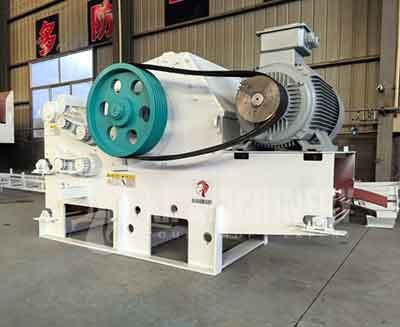
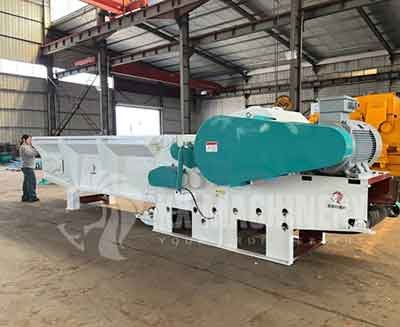
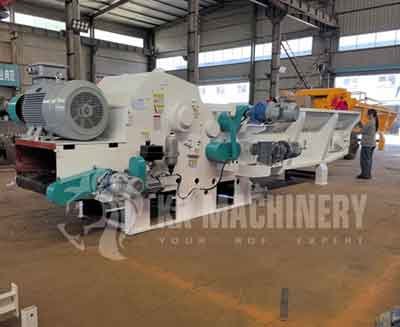
Wood chippers are a general machine for wood chipping machines that process logs, branches, wood blocks, bamboo, and other woody biomass raw materials into uniformly shaped and sized wood chips. They are widely used in industries such as wood processing, biomass fuel production, wood pellet production, and papermaking. Wood chippers utilize a high-speed rotating cutter disc or roller to cut raw materials, and the output size can be adjusted according to different production needs.
However, the design of a wood chipper may vary significantly depending on the raw material. For example, a disc chipper is the best recommended machine for large-diameter wood logs, while a drum chipper is the optimal choice for branches and boards of varying sizes. Furthermore, if your raw material is wood veneer, only a wood veneer chipper, an upgrade from a drum chipper machine, can chip the thin veneer into uniform wood chips.

WOOD CHIPPER SHREDDER TYPES TO CHOOSE

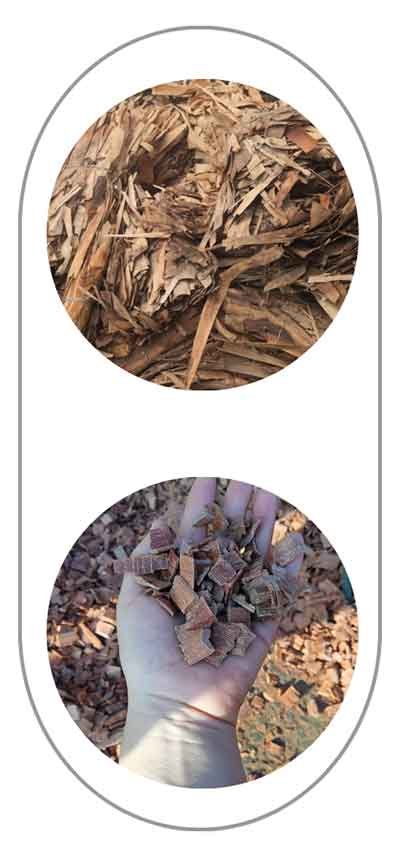
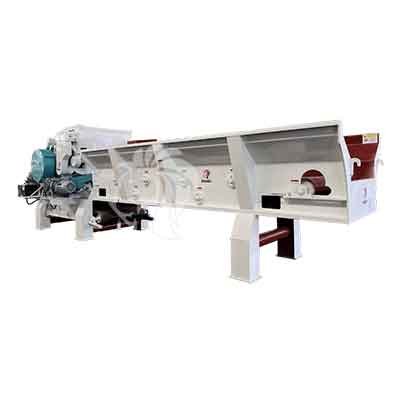
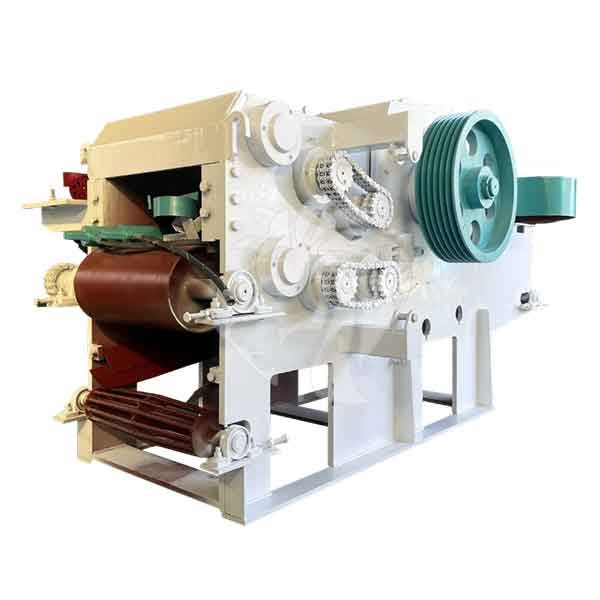
Veneer Chipper
It is mainly used to process waste materials such as waste wood veneer, scraps and boards generated during the wood processing process, and to cut large-sized wood into wood chips suitable for transportation and subsequent processing.
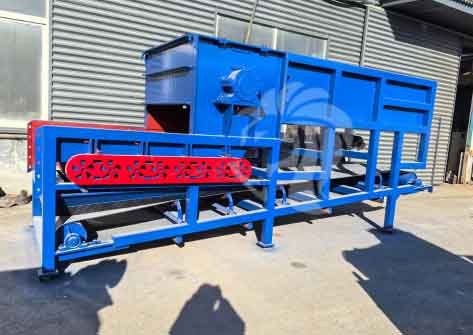
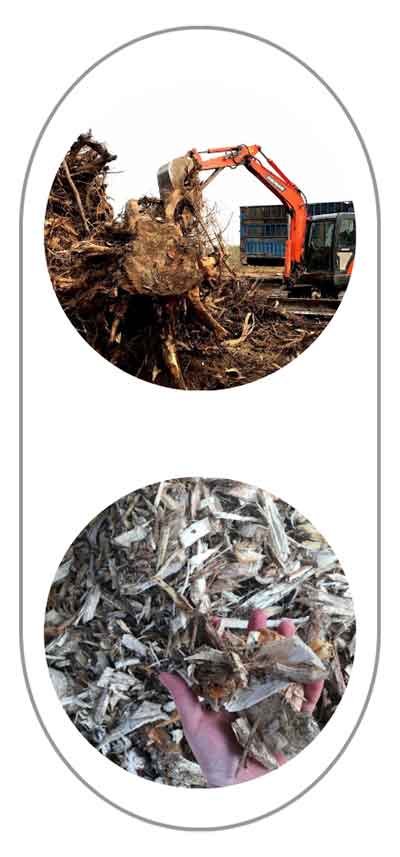
Tree Root Crusher
Specifically designed for processing tree roots, stumps, and root wood containing soil, it employs a heavy-duty crushing structure and uses a screen to reduce impurities such as soil from entering subsequent processes.
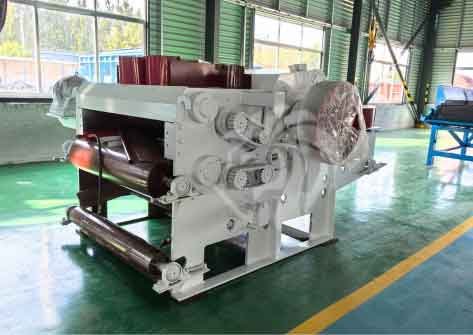
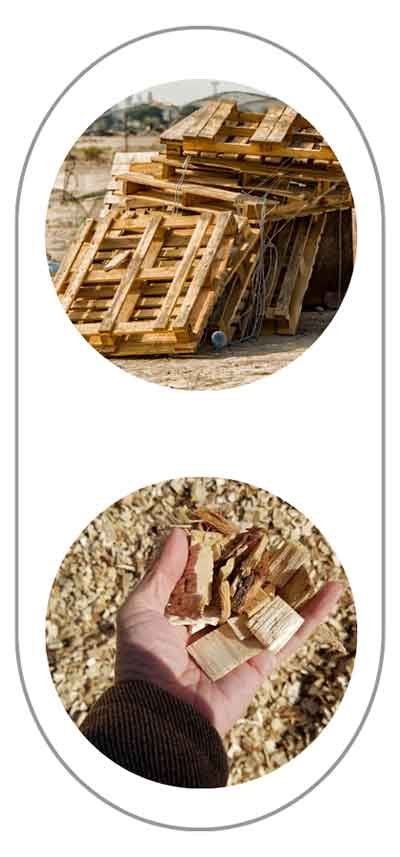
Wood Pallet Crusher
Used for processing waste wooden pallets, crates, and packaging timber, it can break large waste wood into smaller wood chips, suitable for wood recycling and biomass fuel production.
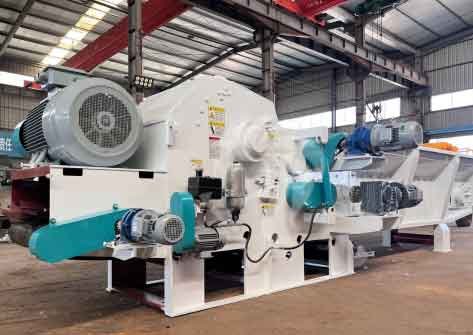
Whole Tree Chipper
Suitable for large diameter whole tree crushing, the raw material such as tree trunks, branches and whole small trees, it can be continuously chipped and is suitable for forestry, wood processing and large-scale biomass projects.
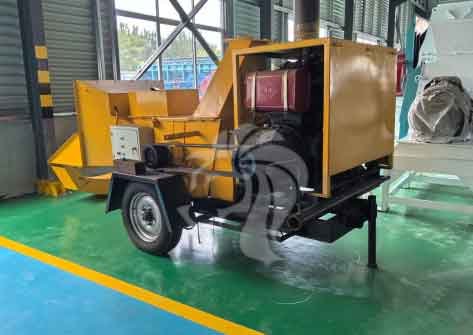
Branch Chipper
It is mainly used to process branches, twigs and small-diameter timber produced by garden pruning, and quickly cut long strips of wood into uniform wood chips.
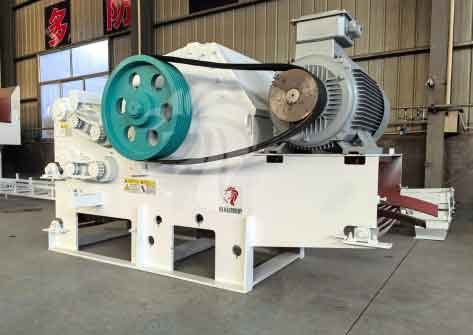
Log Wood Chipper
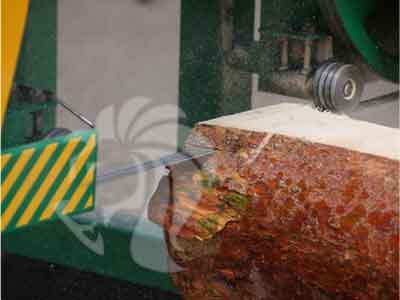
Suitable for chipping waste wood cutoffs, logs and other regular wood, different blades and output sizes can be configured according to different production needs.
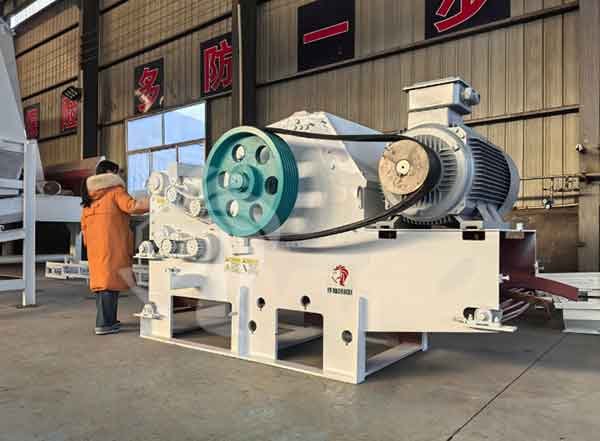
STRUCTURE OF CHIPPER SHREDDER

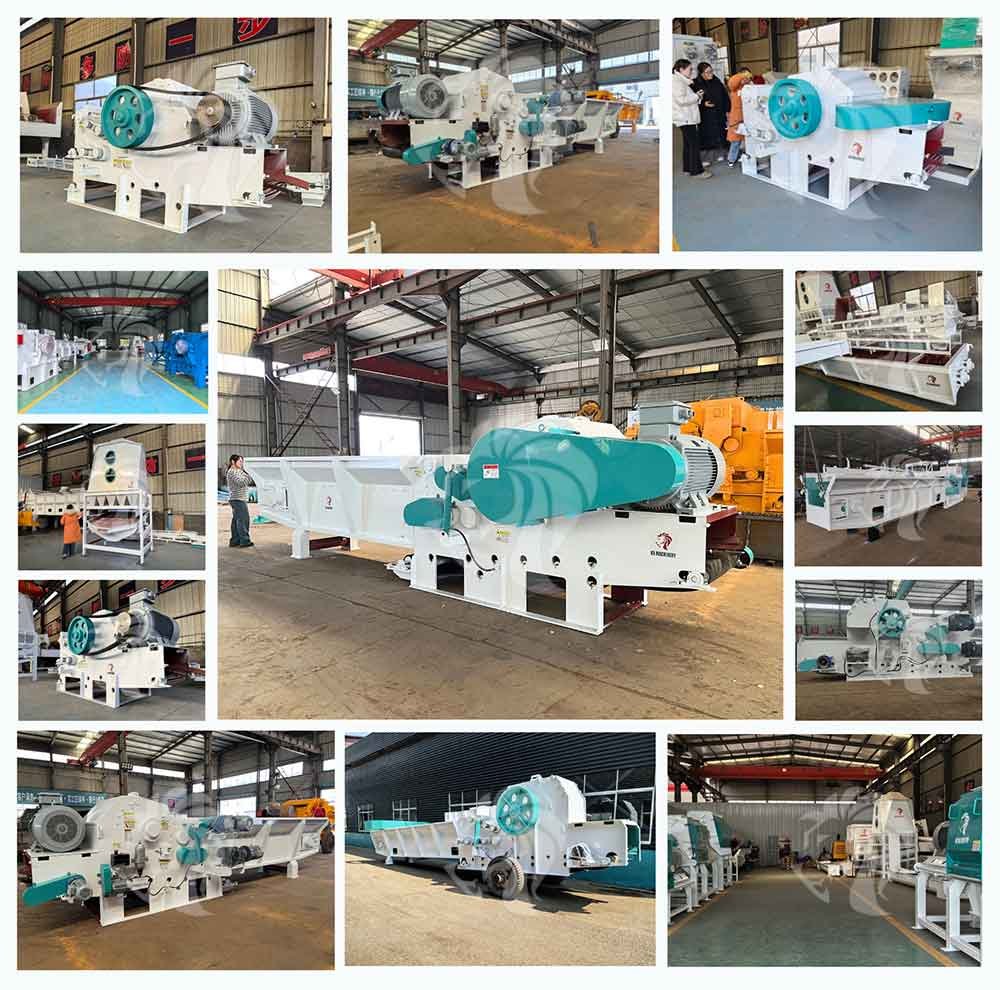
Drum Wood Chipper
Drum chippers use high-speed rotating blades to cut wood and are the most widely used chippers in industrial production. They are suitable for processing wood of various shapes and irregular diameters, such as branches, timber, bark, and wooden pallets. They feature continuous feeding, high processing capacity, and the ability to produce relatively uniform wood chips, making them suitable for small, medium, and large-scale wood chip production lines and biomass fuel processing.
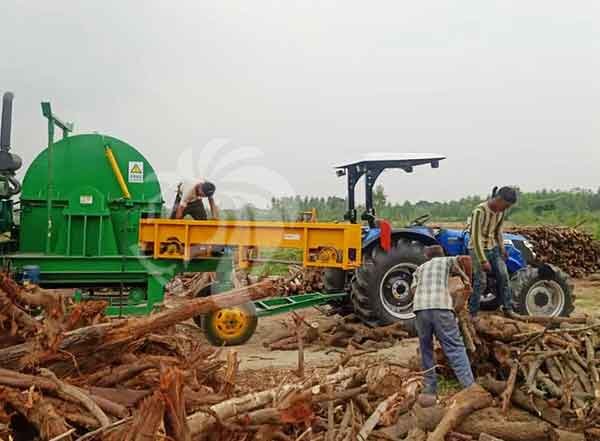
| Type | Motor Power | Application |
|---|---|---|
| Drum Type | 45-315KW | wood logs, veneer, wood waste, branches and some other biomass waste |

Disc Wood Chipper
Disc chippers utilize six sets of blades on a high-speed rotating circular cutter disc to quickly cut wood. This results in very uniform wood chip sizes. However, due to structural design limitations, they lack a forced feeding system and have a limited feed inlet size, making them suitable only for processing round logs ranging from 5 cm to 45 cm in length. They are compact, have low investment costs, and offer high cost-effectiveness, making them commonly used in paper mills, pulp mills, and biomass processing industries.
| Type | Motor Power | Application |
|---|---|---|
| Disc Type | 22-132KW | Wood logs with 5-45cm diameter |
RAW MATERIALS THAT A WOOD CHIPPER CAN PROCESS


Wood chippers are highly adaptable to a wide range of raw materials, from forestry logging residues to wood processing waste, scrap wood, and biomass raw materials. With the right feeding and chipping setup, they can effectively process almost all woody and fibrous materials. Specifically, forestry raw materials include logs, trunks, small-diameter timber, branches, twigs, logging residues, and fruit tree branches and pruning branches; wood processing waste includes bark, planks, strips, timber, sawmill waste, and processing residues; scrap wood includes wooden pallets, scrap wooden boxes, packaging timber, construction waste, demolition timber, and scrap furniture wood; as well as special woody raw materials such as tree roots, stumps, roots with soil, whole trees, large blocks of wood, and thick branches.
In addition to the above mentioned wood raw materials, a wood chipping machine can also process biomass raw materials such as corn stalks, cotton stalks, sorghum stalks, reeds, bamboo, palm branches, and empty fruit bunches. Because of the wide variety of raw materials and their different forms, the equipment needs to be matched with different feeding methods and chipping structures according to the specific characteristics of the materials in order to ensure uniform output particle size and stable production efficiency.
HOW TO CHOOSE THE BEST WOOD CHIPPER?
Chippers are heavy-duty equipment, and their selection cannot be based solely on power and output. The following six core factors determine whether the wood chipper you choose is durable, efficient, and suitable for long-term production.


Raw Material Type
For logs, choose a disc chipper. Discs offer stable cutting angles and produce neat slices, suitable for pulping, engineered wood products, and other applications requiring precise slice shape. For branches, bark, and wood scraps, choose a drum chipper. Drum chippers are more adaptable to irregular, slender, and mixed raw materials, and are less prone to jamming. Generally speaking, waw material type determines chipper structure and is the first step in selection.
The Wood Log Diameter and Chipper Roller Size
Chippers are heavy-duty equipment, and their roller design directly determines the wood chips’ quality after chipping. At the same power output, you need to focus on the chipping roller and blade design and processing treatment, the welding process of the cutter disc/roller, the rigidity of the bearing housing, and the thickness of the casing steel plate; these are more important than simply looking at power output. Conclusion: Chipper weight and welding quality determine machine lifespan.
Consider the Blade Type and Material
Hardwoods (such as acacia, eucalyptus, and old elm) have extremely high requirements for blade material, cutting edge angle, and blade holder strength. For hardwoods, alloy steel blades or blades inlaid with carbide are recommended, along with a thicker blade holder and a larger spindle and bearings. Hardwoods have high feeding resistance, and insufficient weight will cause severe vibration, affecting slice quality and bearing life. Conclusion: Hardwood chippers must be equipped with high-quality blades and a heavy-duty machine body.
Wood Waste Shape
Logs and branches have regular shapes, feed smoothly, and have stable cutting force, making chipping relatively easy. However, based on our extensive experience, square-shaped wood is the most difficult material to chip. This is mainly because the contact area between the blade and the wood is significantly increased during chipping, generating impact loads. Higher power and a wider feed inlet result in greater impact force. Therefore, if all your wood is square, we do not recommend using chipper models with excessively wide feed inlets; generally, we do not recommend power exceeding 110kW. Conclusion: The shape of the raw material directly affects the selection of chipper power and structural design.
Wood Chipper Output
Under the premise of meeting the above points, you can then consider the output you need. Many customers will prioritize the required output and choose the model according to the output. However, if the wood is large in size and irregular in shape, it may bring some other problems if you only consider the output.
Operation Time
Small wood chipper machines struggle to operate continuously for 24 hours; heat dissipation, bearing life, blade wear, and structural fatigue all become unsustainable. For two shifts or 24-hour continuous operation, select a heavy-duty frame, larger bearings, forced lubrication/cooling, and wear-resistant blades, along with sufficient spare parts. For intermittent production (a few hours per day), a light to medium-sized machine can be chosen, resulting in lower costs. Conclusion: Working hours determine the chipper grade; continuous production necessitates a heavy-duty machine.
TWO TYPE WOOD CHIPPER RUNNING VIDEOS
DRUM WOOD CHIPPER CUSTOMER’S FEEDBACK VIDEO
DISC WOOD CHIPPER VIDEO FROM CUSTOMER
CHIPPER APPLICATION SCENARIOS


Wood chippers are widely used in forestry, logging, sawmills, and the wood processing industry. They process logs, branches, bark, lumber, wood scraps, and other forestry waste into uniform wood chips for easier transportation and subsequent processing. In the landscaping and tree services industry, wood chippers are also commonly used to process branches and pruning waste, thereby reducing waste and improving resource utilization.
The produced wood chips can be used as raw materials for biomass fuel, wood pellets, biomass power plants, pulp and paper production, and other applications. Clean wood waste such as pallet and packaging timber can also be recycled into wood chips, sawdust, or bedding for use in agriculture and livestock, thus transforming wood waste into useful resources.
WHAT ARE THE MAIN FACTORS AFFECTING THE OUTPUT OF WOOD CHIPPER?
Many wood chipper users, especially new operators, may find it difficult to achieve the expected chipping capacity. The main factors affecting wood chipper output include machine type, power configuration, raw material, and operator skills. A detailed analysis follows:
Selection of wood chipper model
Different chipper models are suitable for different wood materials. Logs are generally better suited for disc chippers, while branches, whole trees, and more complex wood waste are better suited for drum chippers. Choosing the right model can improve feeding efficiency and chipping stability.
Power configuration of wood chips size
Motor power directly affects the chipper's processing capacity. The chipper model and power must be matched; too large or too small a power will affect the chipper's output, while too large a power will shorten the machine's lifespan. Furthermore, the smaller the wood chips, the lower the machine's output will be for the same power output.
Wood type you plan to use
The hardness, size, moisture content, and fiber structure of different types of wood all affect chipping efficiency. Therefore, chippers need to be designed and configured according to the specific raw materials, such as logs, branches, bark, bamboo, and waste wood, and appropriate feeding structures, blades, and power configurations should be selected accordingly.
Operators proficiency
Skilled operators can control the feed rate appropriately based on the equipment's operating status, avoiding material blockage or excessive equipment load caused by feeding large amounts of material at once. Stable and uniform feeding helps maintain continuous operation of the chipper and improves overall output.
THE UNIQUE ADVANTAGE OF JK WOOD CHIPPER

1. Well-Designed Structure
JK wood chippers are designed to reduce common problems such as material blockage and body cracking. Proper power matching is important for stable operation, as insufficient power can easily lead to overload and blockage. We select the machine configuration according to the raw material and required capacity.
2. Heavy-Duty Design and High Configuration
Our heavy-duty models are designed for demanding working conditions, with grab feeding, a reinforced and thickened machine body, and customized rotors according to different raw materials. Specially designed blades help the machine handle wood materials efficiently under high-load operation.
3. In-House Manufacturing and Quality Control
Except for key purchased components such as motors and bearings, around 90% of the main machine components are manufactured by ourselves. This allows us to better control machining quality, production standards and delivery time, while also ensuring a stable supply of spare parts.
4. Practical After-Sales Support
We provide complete after-sales support and online technical guidance for individual machines. In many cases, installation, operation and troubleshooting can be guided remotely, helping customers solve problems quickly while avoiding unnecessary on-site service costs, which can save around USD 3,000–4,000 in travel and service expenses.
FREQUENTLY ASKED QUESTIONS
1. What materials can a wood chipper process?
A wood chipper can process logs, branches, tree trunks, slabs, bark, wood offcuts, bamboo, and other biomass materials. The machine configuration should be selected according to the type, size, and hardness of the raw material.
2. What is the difference between a disc chipper and a drum chipper?
A disc wood chipper uses a rotating disc with blades and is commonly used for logs, branches, and small-diameter wood. A drum wood chipper uses a rotating drum and is suitable for branches, whole trees, slabs, and larger or more irregular wood waste.
3. Will the wood chipper get blocked during operation?
Proper machine selection and power configuration are important for preventing blockage. Insufficient power, oversized material, or feeding too much material at once can increase the risk of blockage. A suitable feeding system and proper operation help maintain stable production.
4. Does the wood chipper require skilled operators?
Basic operation is not complicated, but experienced operators can achieve better and more stable production. The operator should control the feeding speed and avoid feeding a large amount of material at once to prevent overload and blockage.
5. How often do the wood chipper blades need to be replaced?
Blade service life depends on the raw material, working hours, and operating conditions. Regularly checking blade sharpness and replacing or sharpening worn blades helps maintain cutting efficiency and stable output.
6. Can the wood chipper be customized?
Yes. We can customize the feeding system, motor power, rotor, blades, feeding opening, and discharge configuration according to the raw material, capacity, and application.
7. What kind of maintenance does a wood chipper need?
Regular maintenance mainly includes checking the blades, bearings, transmission system, and fasteners, as well as cleaning the machine and removing accumulated material. Regular inspection can help reduce unexpected downtime and extend the service life of the equipment.
8. How do you provide after-sales service for the wood chipper?
For individual machines, most installation and operation questions can be handled through online technical guidance. We can provide installation instructions, operation guidance, and troubleshooting support, while spare parts can also be supplied when needed.
Related Machine

Wood Grinder
crushing the waste wood, branches, plate etc to the wood chips, the final size around 30-50mm.

Heavy Duty Hammer Mill
It can crush wood chips into wood sawdust, improving the efficiency of the pellet mill.

Distribution and Buffer Bin
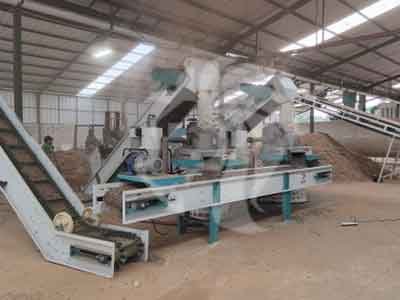
It plays a role in material distribution and buffering in the production line, saving labor and improving efficiency.
CONTACT US NOW
We are one of the most professional pellet mill and briquette machine manufacturers with more than 20 years experience. You are welcome to contact us to discuss more details.
- The best design & quality machines
- Quick reply within 2 hours
- Provide the best proposal within 72 hours.
- Free test run service for special raw materials
- Decades of expertise, highly skilled team, tailored solutions.